


For parents of neurodivergent kids, or adults navigating ADHD or autism themselves, food is rarely a simple topic. Mealtimes can be a source of stress, sensory battles, or a quiet worry about whether your child or you is really getting what the brain needs. Neurodivergent people often experience food differently because of sensory sensitivities, executive function challenges, and interoception differences. A neurodivergent nutrition specialist can help untangle that, because research continues to show how nutrition affects some ADHD symptoms in certain patients, even though diet alone does not cause the behaviors and cognitive symptoms children experience with these conditions.
At Holme Wellness in NYC’s Flatiron district, our nutrition team includes specialists who work specifically with neurodivergent children and adults by combining clinical expertise with a neurodiversity-affirming approach that meets people where they are.

Why Nutrition Matters for Neurodivergent Brains
A 2025 study published in Frontiers in Nutrition found that neurodivergent children and adults consistently run low on nutrients essential for brain health, omega-3 fatty acids, zinc, B-vitamins, and vitamin D. These are not minor gaps. These nutrients directly support neurotransmitter function, and low levels are linked to more severe ADHD symptoms and greater difficulty with emotional regulation.
Addressing nutritional deficiencies early can help build healthy eating habits that support overall health over time. Reducing artificial colors and additives while ensuring adequate omega-3s and micronutrients may also help sensitive children manage symptoms more effectively.
There is also the dopamine piece. ADHD brains already struggle with dopamine regulation, and unstable blood sugar makes that worse, amplifying brain fog and impulsivity in ways that can feel impossible to manage. Skipping meals, forgetting to eat, or relying on high-sugar foods for quick energy all create blood sugar swings that hit neurodivergent brains harder than neurotypical ones.
Executive function challenges further disrupt eating patterns by making meal planning, grocery shopping, food prep, and even remembering to eat much harder. Layer sensory sensitivities on top of that, aversions to textures, temperatures, smells and even figuring out what to eat for dinner can feel like an impossible task. In some cases, dietary interventions can help identify trigger foods or remove items like sugar, artificial dyes, and processed additives when sensitivities are suspected.
The Gut-Brain Connection in Neurodivergent People
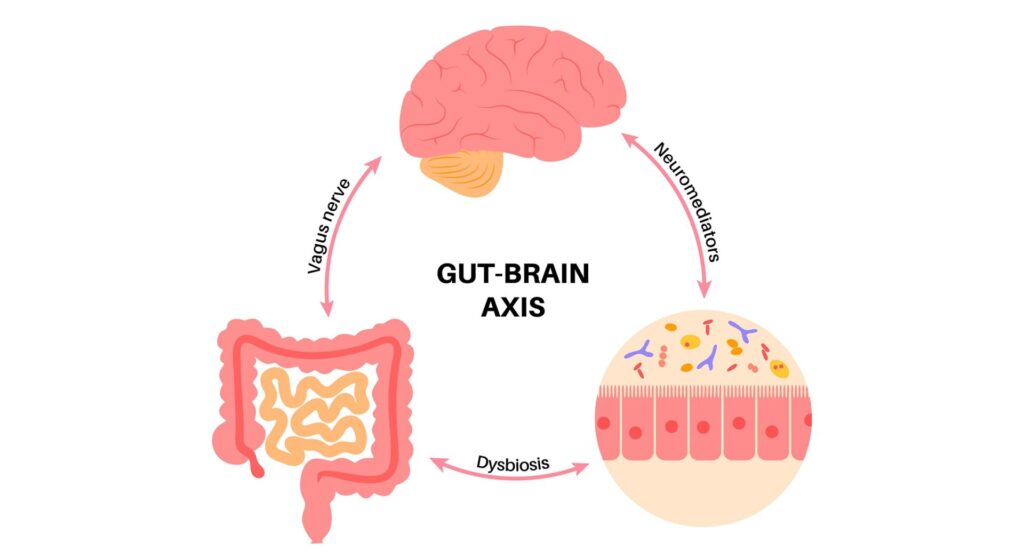
One area getting growing attention in nutrition research is the gut-brain axis, which is the direct communication pathway between the digestive system and the brain. For neurodivergent individuals, gut health may play a larger role than previously understood.
Many autistic children and adults experience gastrointestinal issues, including constipation, diarrhea, and food intolerances at higher rates than the general population. These GI symptoms are not just uncomfortable; they are associated with more severe behavioral and sensory symptoms. Supporting gut health through probiotic-rich foods, fiber, and reduced inflammatory foods can have a meaningful downstream effect on mood, focus, and behavior.
A neurodivergent nutrition specialist understands this connection and builds it into the nutrition plan from the start.
What a Nutrition Counseling Specialist Does Differently
A registered dietitian or registered dietitian nutritionist provides nutrition counseling through a neurodivergent-affirming and weight-inclusive lens. This support is best delivered by an RD/RDN or CNS rather than a generic nutrition consultant using flexible meal planning systems tailored to sensory sensitivities, executive dysfunction, and changing routines rather than rigid meal plans or one-size-fits-all advice. They start with medical history and build an individualized nutrition plan that fits real life and supports a healthy relationship with food.
They understand sensory food aversions to the specific textures, temperatures, and tastes that make certain foods a hard no, and they work with that reality rather than against it. They help build meal structures that account for executive dysfunction, adapt to energy levels and daily routines, identify food sensitivities that might be quietly contributing to symptoms, and zero in on the specific nutrients that support focus, mood, and gut health.
Practical strategies a neurodivergent nutrition specialist might use include:
- Building simple, low-effort meal routines with visual aids and simple prep techniques that reduce the overwhelm and decision fatigue around food choices
- Creating meal prep approaches that make healthy meals more manageable on low-capacity days
- Identifying safe foods and expanding from there gradually
- Using food journaling adapted for executive dysfunction
- Recommending targeted
supplementation where dietary gaps exist - Coordinating with psychiatrists and therapists for whole-person care
It is practical, personalized support from neurodiversity-affirming providers who adapt care to the person by helping create a healthy relationship with food while recognizing how good nutrition fits into daily life.
Common Nutritional Gaps and Picky Eating in ADHD and Autism
Research consistently identifies several key nutrients that neurodivergent individuals are more likely to be deficient in:
Omega-3 Fatty Acids: Essential for brain development and neurotransmitter function. Found in fatty fish, flaxseeds, and walnuts. Many neurodivergent people do not consume enough due to sensory aversions to fish and seafood.
Zinc: Plays a role in dopamine regulation and immune function. Low zinc levels are associated with more severe ADHD symptoms. Found in meat, shellfish, legumes, and seeds.
Magnesium: Supports the nervous system and sleep regulation, which are both areas of difficulty for many neurodivergent individuals. Found in leafy greens, nuts, and whole grains.
Iron: Low iron levels are linked to restless leg syndrome, sleep problems, and attention difficulties. Found in red meat, beans, and fortified cereals.
Vitamin D: Supports mood regulation and immune function. Many people in NYC, where sun exposure is limited, run low on vitamin D regardless of neurodivergent status.
A neurodivergent nutrition specialist will assess for these gaps and create a plan to address them through food first, with targeted supplementation where needed.

Who This Kind of Care Is For
This is for children, teens, and adults. This includes the parent whose child lives on five foods and is not sure if that is okay, because sometimes that is picky eating, and sometimes it points to a more serious relationship with food, including ARFID (Avoidant Restrictive Food Intake Disorder) and possible nutritional deficiencies. Neurodivergent people also face higher rates of disordered eating and may need a specialist with experience in eating disorders.
It is for the autistic adult who knows their eating habits are not great but does not know where to start without feeling overwhelmed or judged, and wants support building sustainable habits and a healthier relationship with food.
It is for anyone with ADHD who has every intention of eating well, but cannot seem to make it happen. Whether it be due to erratic eating patterns or uneven body cues, both are often part of the picture, not a willpower problem.
And it is for families who want to support their child’s brain health proactively, alongside whatever other care they are receiving and in coordination with other providers.
Dietitians at Holme Wellness also collaborate with our psychiatrists, therapists, and wellness team to support wellbeing as a whole, so nutrition is never treated in isolation.

Why Holme Wellness Registered Dietitian for Neurodivergent Nutrition in NYC
Holme Wellness is one of the few clinics in NYC that combines psychiatric care with specialized nutrition support for neurodivergent children and adults under one roof. Our nutrition team works alongside our psychiatrists, TMS specialists, and wellness providers so your care is coordinated, not fragmented. In New York, look for legally protected credentials such as RD/RDN or CNS when seeking neurodivergent nutrition support. It’s also worth verifying credentials, so you’re working with a licensed clinician who can provide medical nutrition therapy, not an uncredentialed nutritionist.
Our Flatiron clinic is welcoming, calm, and designed with sensory comfort in mind. We see new patients and work with both children and adults, and our plans are built around sensory sensitivities and executive dysfunction for people in NYC and across New York.
People who want to compare options can also use directories such as the HealthProfs NYC Autism Directory and the Autism Speaks Resource Guide to find neuro-inclusive or ADHD-focused providers in local practices. In a private practice, dietitian services may include follow-up sessions, and some offices also reserve sliding scale spots.
Ready to get some support? Book a nutrition consultation at Holme Wellness today.
Frequently Asked Questions
What does a neurodivergent nutrition specialist do?
A neurodivergent nutrition specialist provides personalized nutrition counseling designed specifically for people with ADHD, autism, or other neurodivergent conditions. They work with sensory food aversions, executive dysfunction, and specific nutritional gaps rather than using one-size-fits-all meal plans.
How is nutrition counseling different for neurodivergent people?
Standard nutrition advice often assumes someone can easily plan meals, shop regularly, and eat a wide variety of foods. Neurodivergent nutrition specialists understand that sensory sensitivities, irregular hunger cues, and executive function challenges make that approach unrealistic for many people. They adapt strategies to fit real life.
Can nutrition really help with ADHD symptoms?
Research shows that certain nutritional deficiencies, particularly omega-3 fatty acids, zinc, iron, and magnesium, are linked to more severe ADHD symptoms. Addressing these gaps through diet and targeted supplementation can support focus, mood regulation, and energy. Nutrition is not a replacement for psychiatric care but works well alongside it.
At what age can children start seeing a neurodivergent nutrition specialist?
Nutrition support can begin at any age. Many families come to us with young children who have very limited food repertoires or suspected sensory-based eating challenges. Adults with ADHD or autism also benefit significantly from specialized nutrition support.
What is ARFID, and how does it relate to neurodivergent eating?
ARFID stands for Avoidant Restrictive Food Intake Disorder. It is more common in neurodivergent children and involves extreme selectivity around food based on sensory properties, fear of choking, or lack of interest in eating. A neurodivergent nutrition specialist can assess whether limited eating patterns point to ARFID and create a safe, gradual plan to expand food variety.
Does Holme Wellness accept new patients for nutrition consulting?
Yes. Our NYC clinic in the Flatiron district is currently accepting new patients for nutrition consulting for both children and adults. Book a consultation at holmewellness.com/contact.